Different rooms,
deeper understanding of how Canada stays

From a lakeside resort in the Okanagan to a storied manor overlooking the St. Lawrence, each Canadian property offers its own rhythm, its own way of sitting inside a landscape. Merestone profiles six distinct addresses across the country — not as rankings, but as honest dispatches from varied terrains and hospitality traditions.

Properties featured 6 Canadian Hotels
Provinces covered BC · AB · ON · QC · NB
Guide type Independent Editorial

Why the room you choose changes everything about a trip

Canada's hotel landscape is unusually shaped by geography. A property in the foothills of Alberta operates under fundamentally different ambient conditions than one perched above a Quebec estuary — the light is different, the soundscape is different, the pace of the surrounding community is different. These are not merely aesthetic considerations. They affect how a guest orients in the morning, what draws them outdoors, and what they remember when the trip is over.

Larger resort complexes offer a particular kind of self-sufficiency: dining, recreation, entertainment, and accommodation converging on a single site so that a guest might spend several days without needing to consult a map. Boutique properties and distinctive urban hotels offer the opposite proposition — deep immersion in a city block, a neighbourhood smell, a locally staffed dining room that feels like it belongs to the street rather than to the building.

Neither model is superior. What matters is alignment between what a traveller actually needs from a trip and what a property is genuinely designed to deliver. Merestone exists to provide the kind of honest, contextual information that makes that alignment possible.

"The most useful thing a travel guide can do is describe a hotel as it actually is — not as its marketing imagines it."

A cross-country selection of distinctive Canadian hotels

Properties listed for informational purposes only. Merestone holds no affiliation with any listed hotel.

Hilton Lac-Leamy Hotel

Gatineau, Québec

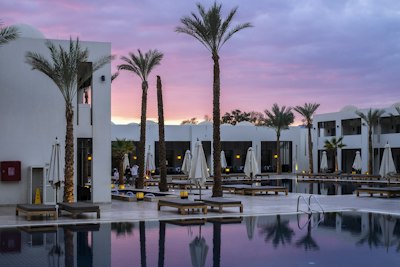
Positioned on the shores of Lac Leamy in Gatineau, this full-service hotel places guests in the Hull sector of the National Capital Region — across the river from Ottawa and within reach of national museums, cycling paths, and the Gatineau Hills. The property's architecture orients toward the lake, and rooms with water-facing views benefit from the reflective quality of that exposure at different times of day.

The on-site spa is a substantial facility rather than a token amenity, with a range of aquatic and treatment options. Dining leans toward regional and French-influenced preparation. As a conference and leisure hybrid, the hotel handles both business travel and extended family stays with equal facility.
Province Québec
Setting Lakeside Urban
Suitable for Leisure & Conference

Fairmont Le Manoir Richelieu Hotel

La Malbaie, Charlevoix, Québec

Set on a promontory above the St. Lawrence in the Charlevoix region, this historic property commands one of the most dramatic vantage points in eastern Canada. The original structure dates to the late nineteenth century, and while the hotel has been substantially updated across its long history, the fundamental orientation — a château-style building surveying an estuary where the river begins its final broadening toward the sea — remains unchanged.

Charlevoix is a UNESCO Biosphere Reserve, which shapes both the surrounding landscape and the culinary culture of the region. The Manoir's dining options draw on this agricultural and coastal identity. The golf course occupies the hillside below the main building. In winter, the surrounding area draws snowshoe and cross-country visitors; in summer, whale-watching excursions operate from Tadoussac, roughly an hour's drive east.

Province Québec
Setting Historic Clifftop
Suitable for All Seasons

Penticton Lakeside Resort

Penticton, Okanagan Valley, British Columbia

Penticton occupies the narrow isthmus between Okanagan Lake to the north and Skaha Lake to the south, a geography that gives the town an unusually elongated beach culture. The Penticton Lakeside Resort sits directly on Okanagan Lake, with a marina and beach access defining much of its recreational appeal during the long, warm Okanagan summers.

The Okanagan is Canada's primary wine region, and the property's location places guests within easy reach of dozens of estate wineries along the Naramata Bench and the western lake corridor. The resort's dining reflects this proximity. In winter, the region's character shifts considerably — quieter roads, lower visitor volumes, and easier access to the nearby alpine terrain at apex and other ski areas.

Province British Columbia
Setting Lakefront Beach
Suitable for Summer, Wine Travel

Stoney Nakoda Resort

Morley, Alberta

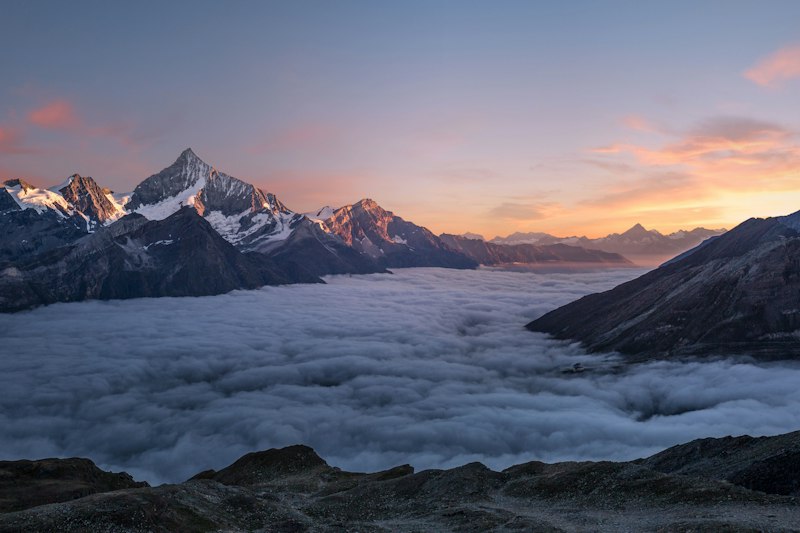
Located on the Stoney Nakoda First Nation lands west of Calgary along the Trans-Canada Highway, this resort occupies a strategically significant position: within reach of the city, yet at the edge of the Rocky Mountain foothills where the landscape begins its dramatic transition. The Bow River valley and the encircling ridgelines are consistently present in the sightlines from the property.

As a full-service resort, it functions both as a destination in its own right and as a staging point for excursions into Banff National Park, roughly an hour west. The property supports a range of activity types across seasons, from trail access and horse-riding in warmer months to winter sports proximity. Its Indigenous stewardship context is an intrinsic part of what distinguishes it from properties that simply happen to be near the mountains.

Province Alberta
Setting Foothills / Banff Gateway
Suitable for Adventure, All Seasons

Rama Resort

Rama, Ontario

Located on the shores of Lake Couchiching in the Lake Simcoe region, approximately ninety minutes north of Toronto, Rama Resort operates as a large self-contained entertainment and hospitality complex on Chippewas of Rama First Nation lands. The scale of the property is considerable, encompassing multiple hotel towers, a convention centre, live performance venues, and a substantial selection of dining environments.

Guests arriving from Toronto find themselves in a distinctly different landscape — the Canadian Shield character of the Muskoka corridor begins to assert itself in this latitude, with mixed forest, shield outcrops, and lake culture defining the broader region. The resort's recreation options include golf, spa services, and direct lake proximity. For visitors unfamiliar with the Ontario interior, it provides a useful introduction to the Kawartha and Lake Simcoe geography.

Province Ontario
Setting Lakeside Resort Complex
Suitable for Entertainment, Groups

Hotel New Brunswick

Fredericton, New Brunswick

Fredericton, New Brunswick's provincial capital, is a comparatively small city with a well-preserved historic district along the Saint John River. Hotel New Brunswick occupies a landmark position in the downtown core, and its address provides walking access to the Officers' Square, the Beaverbrook Art Gallery — one of Canada's significant regional art institutions — and the city's riverside walking trail network.

The Maritimes hospitality tradition tends toward a particular directness and warmth that guests from larger urban centres often find noteworthy. Fredericton's size means that the hotel functions as a genuine focal point for civic life, particularly during the city's festival calendar. For visitors exploring the broader New Brunswick interior — the Fundy coastline, the Miramichi watershed, or the Acadian Peninsula — the city makes a convenient and culturally grounded base.

Province New Brunswick
Setting Heritage Downtown
Suitable for Cultural Travel, Basecamp

Canada's four seasons shape the stay as much as the property does

Winter

Canadian winters are deeply varied by region. While Alberta's mountain properties gain their full purpose in ski season, Quebec's manors take on a different, quieter character — snowshoeing, sleigh rides, and shorter days that make interior spaces feel more generous. Coastal Maritimes winters are milder but involve considerable weather variation.

Spring

Spring arrives at different times across the country — earlier in BC, later in the Prairies and Quebec. It is a shoulder season marked by lower room rates and high landscape drama: snowmelt, flooding rivers, and the first greening of deciduous forests. Many resort properties use this period for maintenance and reduced operating schedules.

Summer

Peak season across most Canadian destinations. The Okanagan's beach and wine culture reaches maximum intensity from July through September. Ontario lake resorts fill quickly. Quebec's riverside properties benefit from long days and a lively festival season. Advance planning is advisable for most full-service properties during summer weekends.

Autumn

Arguably Canada's most visually expressive season, particularly in Quebec, Ontario, and the Maritimes. The Charlevoix region's hillside maples and the Saint John River valley's mixed forest provide spectacular foliage during September and October. Temperatures remain comfortable, crowds thin from summer peaks, and regional harvest menus reach their annual best.

Things worth knowing before you arrive

Québec's properties typically operate primarily in French, with English service available at most major hotels. The Francophone hospitality culture — its relationship to cuisine, formality at dinner, and the physical layout of spaces — differs noticeably from anglophone Canadian hotels. Understanding this distinction before arriving allows guests to engage with it as an asset rather than a surprise.
Canada's scale is frequently underestimated by first-time visitors. Driving from Fredericton to Gatineau, for instance, involves a full day of travel. The properties featured in this guide span five provinces. Multi-property itineraries typically require either significant driving time or domestic flights between destination regions.
Spa facilities at full-service Canadian resorts vary considerably in scope. Some properties feature thermal circuits and extensive treatment menus; others offer more modest fitness and treatment arrangements. Where wellness is a primary reason for travel, it is worth contacting the property directly to verify current service scope and booking requirements, which can differ by season.
Heritage properties — particularly historic manor-style hotels — may have architectural characteristics that limit certain accessibility accommodations. Modern resort towers typically offer more consistent accessibility options. Guests with specific mobility, sensory, or dietary requirements should verify directly with the relevant property before booking.

Merestone is an independent travel publication, not a booking service

The properties in this guide were selected to represent a range of Canadian hotel experiences across different provinces, property types, and seasonal contexts. Inclusion does not imply a ranking, endorsement, or preferential relationship of any kind.

Hotel information, service offerings, dining programmes, and amenities change over time. What is described here reflects general characteristics as understood at the time of writing. Guests are encouraged to verify current specifics — including accessibility arrangements, dining hours, and available activities — directly with each property before travelling.

Merestone is funded independently and earns no commission, referral fee, or revenue from any accommodation, booking platform, or hospitality group. Our editorial voice is our own.

Coverage Six hotels across British Columbia, Alberta, Ontario, Québec, and New Brunswick
Editorial position Independent. No affiliations, partnerships, or commercial relationships with listed properties
Information currency General descriptions. Verify current services, rates, and availability directly with each property
Booking and reservations This guide does not process reservations, payments, or any guest-service transactions
Publication type Informational travel guide. Merestone is not a hotel operator, travel agency, or affiliated group